
That doorbell was no ding-dong: The 1930s San Diego inventor who made it sing

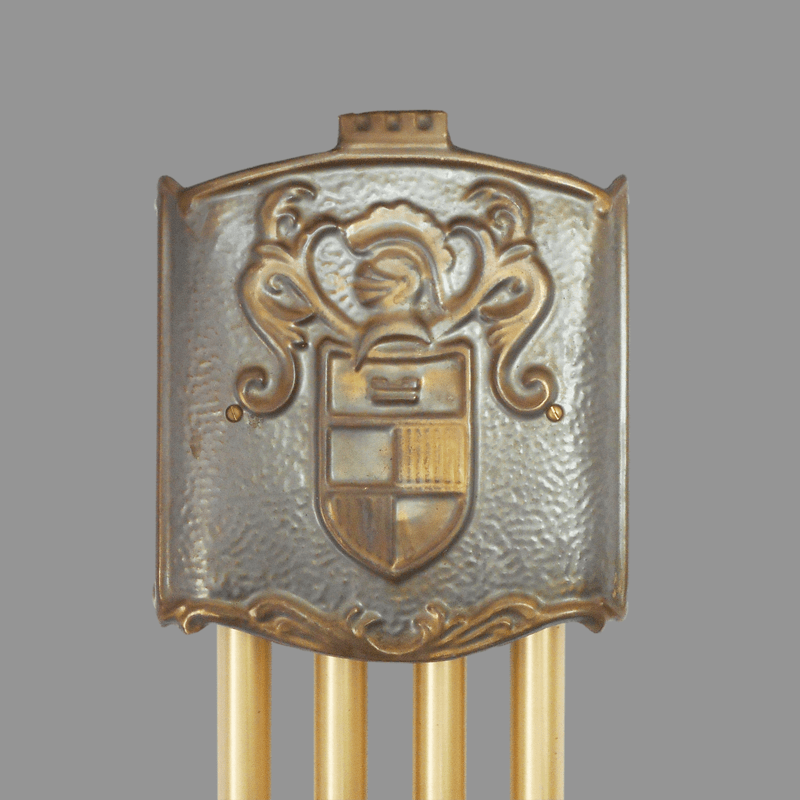
What if your doorbell didn’t go ding-dong?
What if, instead, someone pressed the button and your front door answered with the unmistakable notes of Westminster?
That was the idea behind an ingenious 1930s electric door chime patented by Edwin G. Anderson, a San Diego inventor whose creation turned a routine household signal into a miniature musical performance.

The story survives in an unexpected place: the Doorbell Museum (yes, it really exists), an online collection devoted to the history of doorbells and chimes.
The museum features a Dura Steel cam-driven Westminster chime manufactured in Los Angeles in about 1934 and identifies it as an early chime patented by Anderson. A later Westminster model, dating to about 1936, used refinements to the same unusual mechanism and specifically identifies Anderson as being from San Diego.
And this was considerably more complicated than a button and a bell.
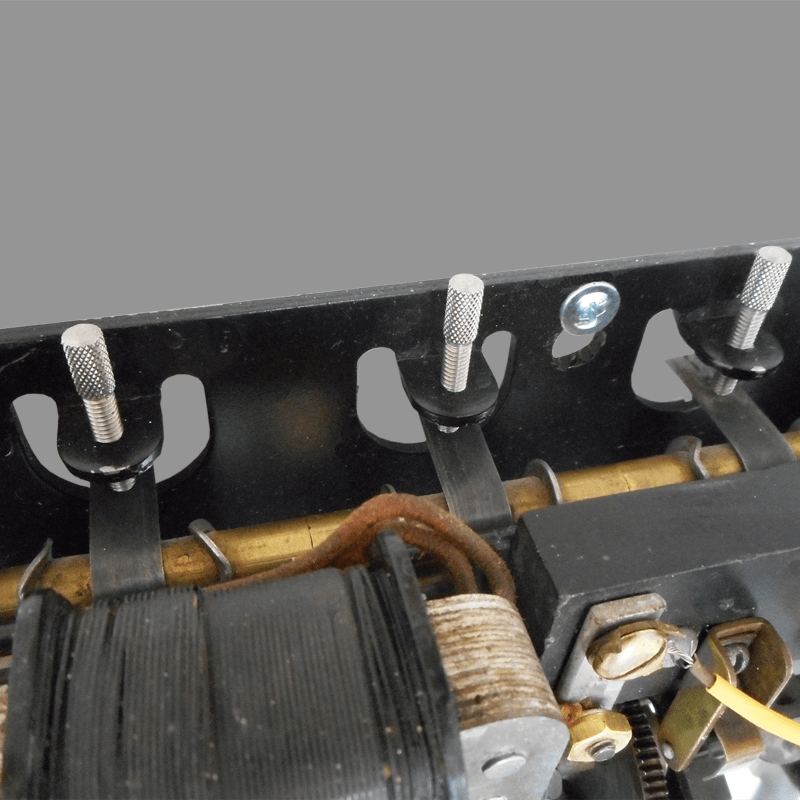
Anderson’s design used an electric motor, gears, a camshaft, and spring-steel striker mechanisms. When someone pressed the doorbell button, the motor set the mechanism in motion. Rotating cams pushed the spring mechanisms away from the brass chime tubes and then released them, causing the strikers to hit the tubes in sequence.
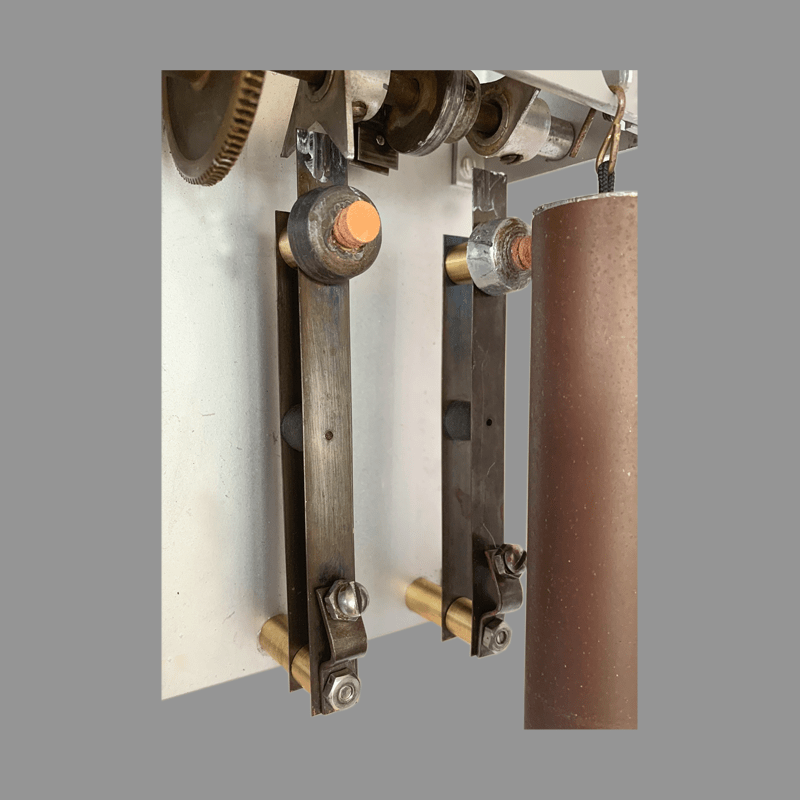
The result was a melody rather than a single tone.
The 1936 version featured the Westminster sequence and included refinements that allowed the notes to be adjusted for sustain and volume. The individual cam fingers could also be adjusted or removed, meaning the mechanism could produce different note sequences rather than being permanently locked into one tune.
Anderson filed his patent application on May 31, 1934. U.S. Patent No. 2,104,963, titled “Electric door chime,” was granted Jan. 11, 1938. The patent identifies the inventor as Edwin G. Anderson of San Diego, California.
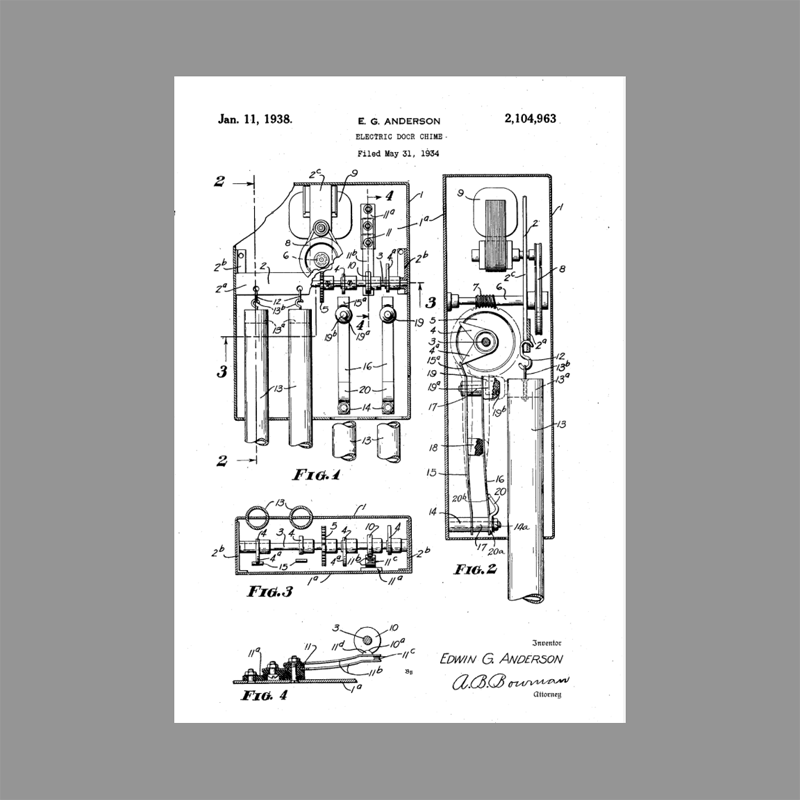
The patent describes a chime that would continue through its sequence even after the electrical circuit from the push button was broken — a practical feature that meant a visitor could trigger the entire musical cycle with a single press.
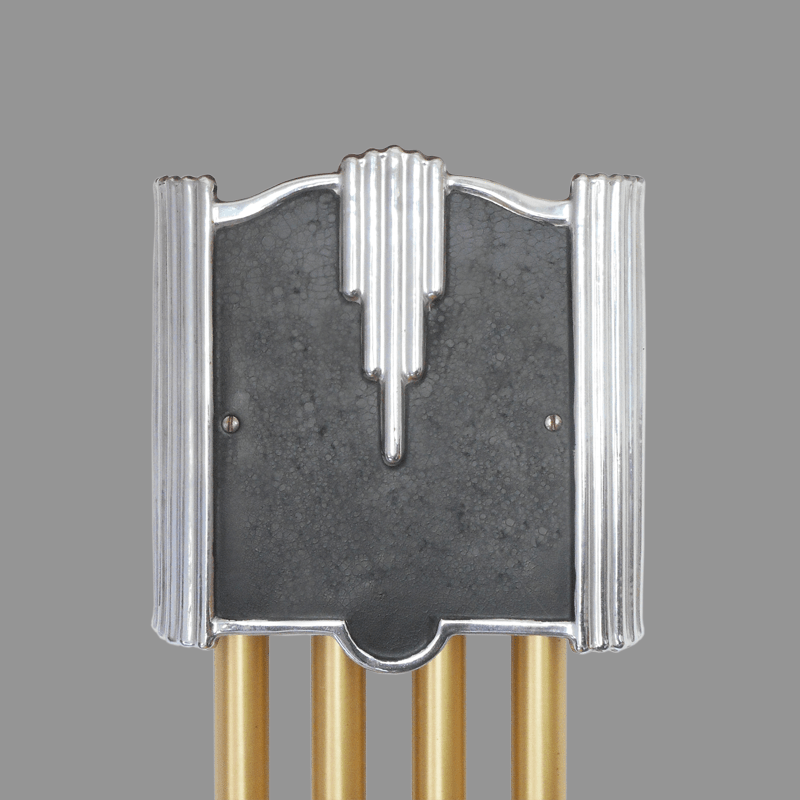
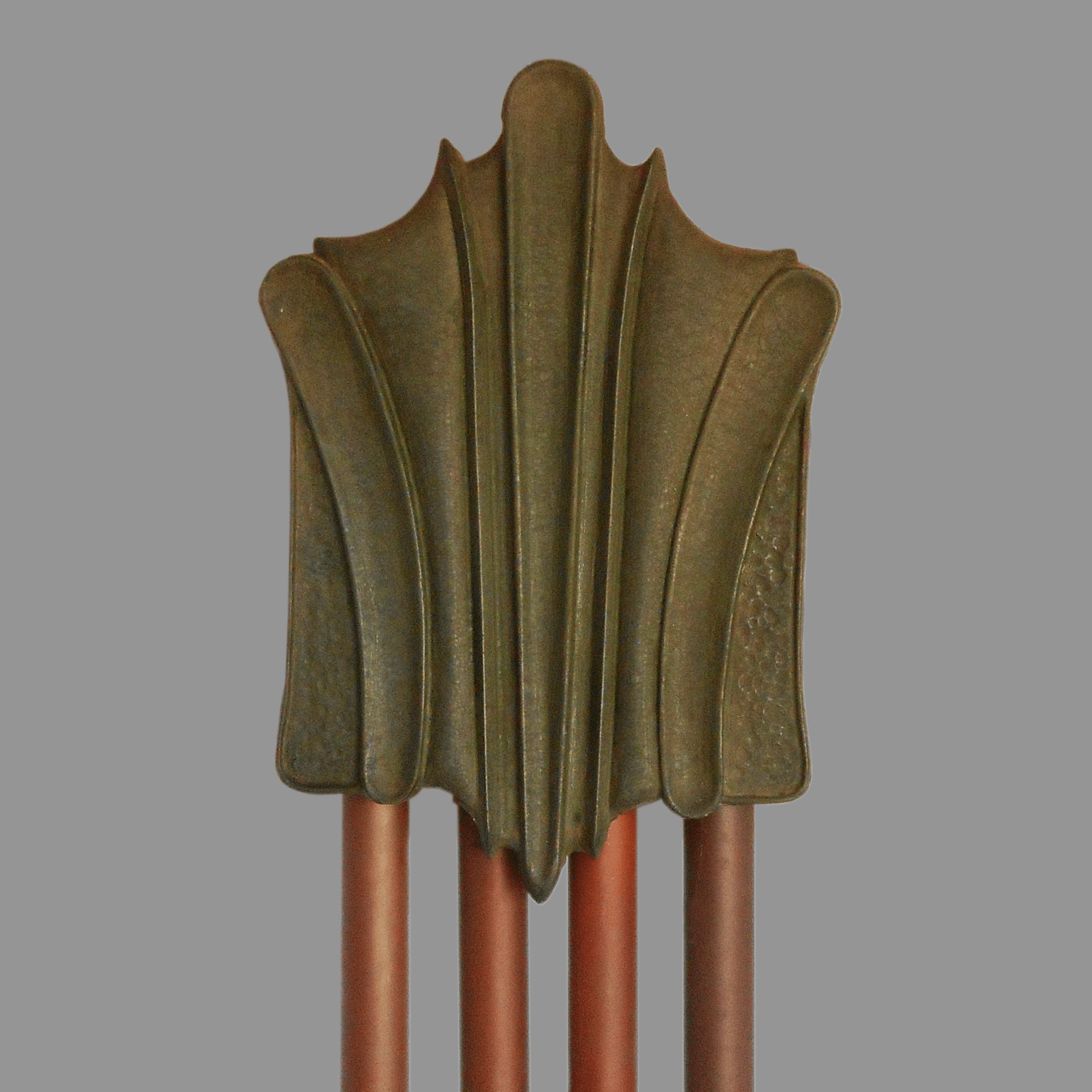
The hardware was substantial. The Doorbell Museum’s restored 1934 example stands about 60 inches tall and contains brass gears, spring-steel striker mechanisms and brushed-brass chime tubes. The museum notes that cam-driven musical chimes were considerably less common than the solenoid-operated models that became more familiar.
As for Anderson himself, the historical trail is surprisingly thin.
The Doorbell Museum says it has been able to confirm very little about him, although it notes that an Anderson was a partner in a San Diego furniture store around the time. A 1937 San Diego city directory also lists an Edwin G. Anderson, married to Kathryn, who worked as a printer for the Union-Tribune. But the directory does not establish that this printer was the inventor, so the connection remains unconfirmed.
What is certain is that Anderson’s name is attached to a clever piece of 1930s household technology. He took the simple act of announcing a visitor and added gears, cams, springs, and brass tubes to it.


So the next time you hear a doorbell go ding-dong, consider that almost a century ago, a San Diego inventor thought the occasion deserved a little more music.
Read more history stories here.
Sources:
U.S. Patent No. 2,104,963, “Electric Door Chime,” Edwin G. Anderson, San Diego, California. Filed May 31, 1934; granted Jan. 11, 1938. Google Patents — U.S. Patent 2,104,963
The Doorbell Museum, “Dura Steel Cam-Driven Westminster Door Chime 1934.” Information on the early Anderson mechanism, manufacturer, construction, and surviving example. The Doorbell Museum — 1934 Chime
The Doorbell Museum, “Cam-Driven Westminster Door Chime 1936.” Information on the later Westminster model and refinements to Anderson’s mechanism. The Doorbell Museum — 1936 Chime
San Diego City Directory, 1937. Entry for Edwin G. Anderson, printer, Union-Tribune. City of San Diego — 1937 City Directory
Categories
Recent Posts


GET MORE INFORMATION
